
Can I Actually Afford to Own a Practice?
By Dr. Eric Chatterley, DDS
When a dentist asks me, "Can I actually afford to own a practice?"
They're almost never asking about the down payment.
What they're really asking is: Will this thing cash flow?
After I take on the loan, the overhead, the payroll, and the extra stress, is there going to be enough left over to make it worth it, or am I better off just collecting a steady associate paycheck?
That's a fair question, and it deserves an honest answer.
Let me show you what ownership did for me.
My first three years out of dental school, I made $100,000 a year. Crazy! I hope nobody reading this is still working for that little today.
Then I bought a practice. My income jumped to $350,000 and grew to $450,000 over the next few years. The practice grew to over 3,000 active patients and we eventually made the move to transition away from PPO insurance plans. Over the next three years, my take-home climbed to almost $900,000 a year.
I’m sharing this because I want you to understand something: none of that is possible as an associate. The jump from $100k to $350k, and especially the climb to $900k, only exists on the ownership side of the table. But here's the catch, it doesn't happen automatically. You must build your practice experience on the right foundation first. More on this in future articles.
You're buying an income stream.
The first thing to understand is what you're actually paying for. It isn't the chairs, the cone beam, or the cabinets — 60 to 80% of a practice's value is goodwill: the patients, the referrals, the trust the seller built over decades. You're buying a proven stream of income, and that's why the price alone tells you almost nothing about whether a practice is a good buy.
The number that matters is what's left after you pay every bill. As a rule of thumb, after overhead and your practice loan payments, you should still take home around 25% of collections in your first year. Two practices with the same price can leave a six-figure difference in your pocket depending on overhead, so cash flow, not asking price, is where you focus.
The liquidity you need.
Dental practice loans are some of the safest money a bank can lend, and lenders know it — which is why 100% financing is common today, even for buyers carrying heavy student debt. Having cash savings is important because banks will be more likely to lend to you if you have money that is liquid and accessible. The best thing you can do as an associate is start building up your cash reserves.
It is important to have a few months of personal income saved. Adequate collections don’t hit your account on day one, so having reserves will lessen the financial pressure and stress in the first year of ownership. Working capital is often available through financing and very helpful to cover overhead expenses including payroll and supplies in the first few months
What matters isn't zero debt, it's structuring the whole picture so your practice loan, your student loans, and your living expenses all fit comfortably inside what the practice produces.
One other thing to consider is reducing your revolving debt as much as possible, namely, credit cards. It’s best to keep these balances at a minimum as well as other personal debts. This is important for being able to qualify for a practice loan.
Will the income be there?
The biggest myth in transitions is that you'll lose a third of your patients the moment the seller walks out. In well-managed transitions, attrition runs under 10%. When you approach the team and patients in the right way, the income stream you bought is the income stream you keep. This will be a topic addressed in a future article about what is important to get right through the transition as well as the first 1-2 years of ownership to have maximum retention of patients.
So, can you afford it?
For most dentists, the answer is yes. But affordability isn't about the size of the price tag. It comes down to three things: whether the deal leaves you a comfortable living after overhead and debt, whether you've got a few months of reserves behind you, and whether the payments are built around the practice's real cash flow instead of the maximum a bank will approve.
Ownership won't pay off overnight, and the early years take patience and intentional work, but the dentists who thrive are the ones who go in with a plan to build, not just a plan to buy.
Practice ownership is an incredibly rewarding journey. When you build on the right foundation, you can experience more freedom of time, money, and energy than any associate position will ever offer — and that freedom is well worth the effort it takes to get there.
Your next step.
If you're an associate dentist wondering whether practice ownership is truly within reach or a new owner wanting to confirm you're building on the right foundation, you don't have to figure it out alone.
The 2026 Ohio Dental Practice Ownership Forum was created specifically for dentists like you. During this highly interactive Saturday morning forum, you'll have the opportunity to learn directly from Dr. Eric Chatterley, ask your own questions, hear the experiences of other dentists, and leave with practical ideas you can apply immediately.
If this article helped you begin thinking differently about practice ownership, imagine what three hours of interactive discussion, real-world examples, and candid questions will do for your confidence! The program is purely educational.
There is no cost to attend, but seating is limited and advance registration is required.
We hope you'll join us on Saturday, October 24, 2026, from 9:00 a.m. until noon at the REA & Associates Conference Center, 5400 Frantz Road, Suite 200, Dublin, Ohio.
To reserve your seat at the 2026 Ohio Dental Practice Ownership Forum
click the button below!
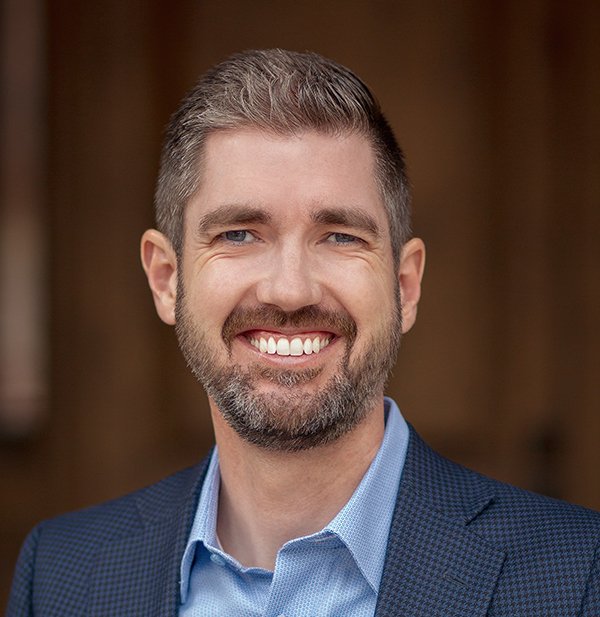
Dr. Eric Chatterley, DDS
Dental Coaching
Leadership Training and Mentorship
This event is made possible by the generous support of our sponsors:
Bank of America, Provide, Huntington Bank, and U.S. Bank.
