
What Scrubbing Toilets Taught Me About Leadership
Servant Leadership in Practice Ownership:
Lessons from Scrubbing Toilets
By Dr. Eric Chatterley, DDS
MEET DR. CHATTERLEY IN DUBLIN ON OCTOBER 24
A free, highly interactive forum for prospective buyers and newer practice
owners - with small-group discussions, recent-buyer panelists and plenty
of time for your questions.
_________________________
Saturday, October 24, 2026 | 9:00 a.m. - Noon
REA & Associates Conference Center, Dublin
A Personal Invitation from Dr. Eric Chatterley
Watch this one-minute invitation, then reserve your seat for October 24.
Servant Leadership in Practice Ownership
There's a story from my own practice that I share often when I'm working with new owners, partly because it captures something I learned the hard way and partly because it still feels improbable to me when I tell it. Several years into ownership, my practice hit a financial stretch that called for creative thinking about expenses. We sat down as a leadership team and looked carefully at where money was going, and one of the line items that surfaced was the cost of our cleaning service. The numbers suggested that if we cleaned the office ourselves, we could save meaningfully and weather the difficult stretch without touching anything that mattered more.
Let me say a word about that last part, because I think it's important. The first principle I held to during that difficult time was that we would never cut costs around our employees and their benefits. Compensation, healthcare, retirement contributions, professional development, all of it was protected. Reducing what we invest in our team is the last possible option I'd ever consider, and even then, I'd want to exhaust every alternative before going near it. The team is what makes the practice work, and protecting them protects the entire enterprise. So when we looked for places to trim, we looked everywhere else first.
Cleaning the office ourselves seemed like a reasonable place to start. We talked about it as a team, and everyone agreed to pitch in. Roles were divided up, supplies were ordered, and we began rotating the work among ourselves at the end of each week. Guess what I was doing every single week? Scrubbing toilets. After eight-plus years of secondary education, after the investment of becoming a dentist, after the years of building toward ownership, there I was on a Friday evening with a brush and a bottle of cleaner, doing one of the least glamorous tasks in any workplace.
The first few weeks, I felt all the things you might expect to feel. A little ridiculous. A little uncertain about whether this was a smart use of my time. A little worried about whether team members would see this and wonder what kind of leader they'd end up with. What I didn't anticipate was what happened, which is that this small choice ended up shaping the culture of the practice for years to come.
Team members noticed, and what they took from it was a message I hadn't been able to convey through anything I'd said in meetings. The message was that I was with them and for them. That I was a part of the team rather than separate from it. There was no task in this practice that was beneath me, and therefore no team member who was beneath my respect. The trust that grew out of that simple ongoing choice was deeper than anything I could have built through more conventional leadership initiatives, and the loyalty that emerged carried us through years of subsequent ups and downs.
This is the heart of servant leadership as I understand it. It's not about grand gestures or performative humility. It's about consistently making choices that demonstrate to your team that their wellbeing matters as much as your own, that you understand the work you're asking them to do because you've done versions of it yourself, and that the hierarchy of the practice does not translate into a hierarchy of human worth. Empathy, compassion, and humility are the foundation, and they show up in how you handle the smallest decisions far more than they show up in mission statements.
Servant leadership also reshapes how you think about your own role as the owner. The conventional model suggests that the team works for the owner, executing the owner's vision and producing the owner's results. The servant leadership model inverts this. The owner exists to serve the team, remove obstacles, providing resources, creating conditions for the team to flourish, and trusting that a flourishing team produces results that no top-down management approach could match. Practices led this way tend to feel different the moment you walk in the door, and patients sense the difference even when they can't quite name what they're sensing.
For new owners, the invitation is to look for small, ordinary moments to practice servant leadership rather than waiting for a financial crisis to force the question. Help your front desk team check in patients during a busy morning. Restock supplies when you notice something running low. Stay late to help close. Show up early to set up the coffee. None of these things are heroic. All of them communicate something that team members internalize over time, which is that you understand the practice as a shared enterprise rather than a personal possession.
Lead with empathy, compassion, and humility, and the team you inherit will become the team that carries your practice forward for decades. That outcome is worth every toilet you'll ever scrub.
Bring Your Questions to the Forum
If you are considering a practice purchase or have recently stepped into ownership, the way you communicate with an inherited team can determine whether trust grows or anxiety takes over. Building that trust early can protect continuity and strengthen the culture you inherit.
At the 2026 Ohio Dental Practice Ownership Forum, Dr. Eric Chatterley will lead an interactive morning built around real questions from dentists like you. You will take part in small-group discussions, hear from dentists who recently purchased practices, and have time to ask the questions that cannot be answered by reading another article or watching another webinar.
The Forum is purely educational and free to attend. Advance registration is required, and space is limited.
Saturday, October 24, 2026
9:00 a.m. until Noon
REA & Associates Conference Center
5400 Frantz Road, Suite 200, Dublin, Ohio.
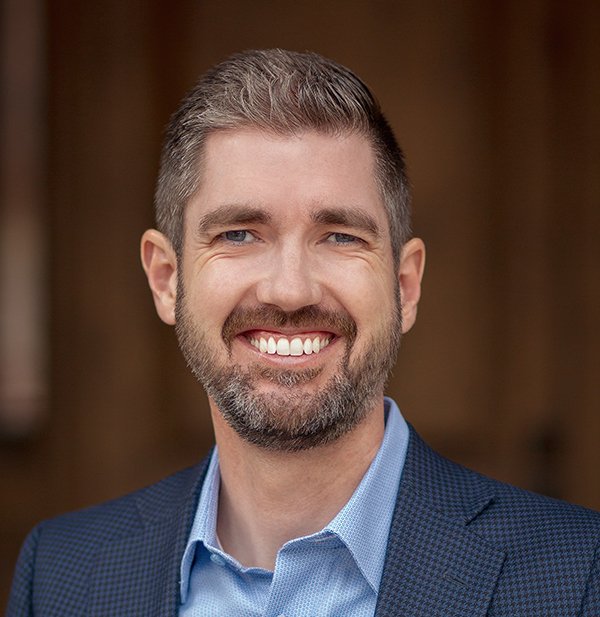
Dr. Eric Chatterley, DDS
Dental Coaching
Leadership Training and Mentorship
This event is made possible by the generous support of our sponsors:
Bank of America, Provide, REA & Associates, and Huntington Bank
