
The Freedom Paradox: Why Planning Your Practice Transition Matters More Than You Think
For many late-career dentists, the idea of selling a practice brings a powerful mix of emotions. There is excitement about freedom to spend more time with friends and family, traveling, and pursuing long-delayed interests. At the same time, there can be uncertainty about what life will look like after decades of practicing dentistry.
This emotional tension is sometimes called the
“freedom paradox.”
The very moment that promises the most freedom can also bring unexpected anxiety and a loss of structure. For dental practice owners who have spent 30 or 40 years building a successful practice, work has often provided not just income, but also identity, routine, and purpose.
The transition from practice ownership to retirement is therefore not just a financial decision; it’s a life transition.
Why the Timing of Your Practice Sale Matters
Many dentists begin thinking about selling only a year or two before they hope to retire. However, planning earlier allows you to:
Strengthen profitability and key metrics that influence the value of your practice
Improve operational systems that make the practice more attractive to buyers
Evaluate different transition paths, including a private sale or corporate sale
Prepare emotionally and financially for life after ownership
The American Dental Association notes that planning ahead can help practice owners maximize value and reduce stress during the transition process.
Your Practice Is More Than an Asset
A dental practice is one of the most unique small businesses in America. It combines healthcare, relationships, reputation, and entrepreneurship. That means the sale process involves more than just numbers.
Buyers often evaluate factors such as:
Stability of patient flow
Hygiene production and recall systems
Staff continuity
Facility condition and equipment
Real estate ownership vs. leasing
Publications such as Dental Economics regularly highlight that practices with strong systems and good profitability command stronger valuations and smoother transitions.
Preparing for the Next Chapter
The freedom paradox reminds us that retirement works best when it is purposeful, not just unstructured freedom. Many retired dentists find fulfillment by:
Pursuing personal interests, they postponed during busy practice years
Mentoring younger dentists
Teaching or volunteering in dentistry
Serving their community
The professional community openly discusses practice transitions. Discussions among dentists on platforms like Dentaltown frequently highlight the importance of planning both the financial and personal side of retirement.
Harvesting What You’ve Built
Think of your dental practice as a crop you have cultivated for decades. The quality of the harvest depends on how well the field has been prepared before harvest season arrives.
By planning early, strengthening your practice fundamentals, and thinking intentionally about life after dentistry, you can turn the freedom paradox into something far better: a confident transition into the next chapter of life.
After all, the goal isn’t just selling your practice, it’s making sure the freedom you’ve worked so hard to earn is truly fulfilling.

Take control of your future
PVA℠ helps practice owners prepare for the inevitable transition of their practices to new ownership.
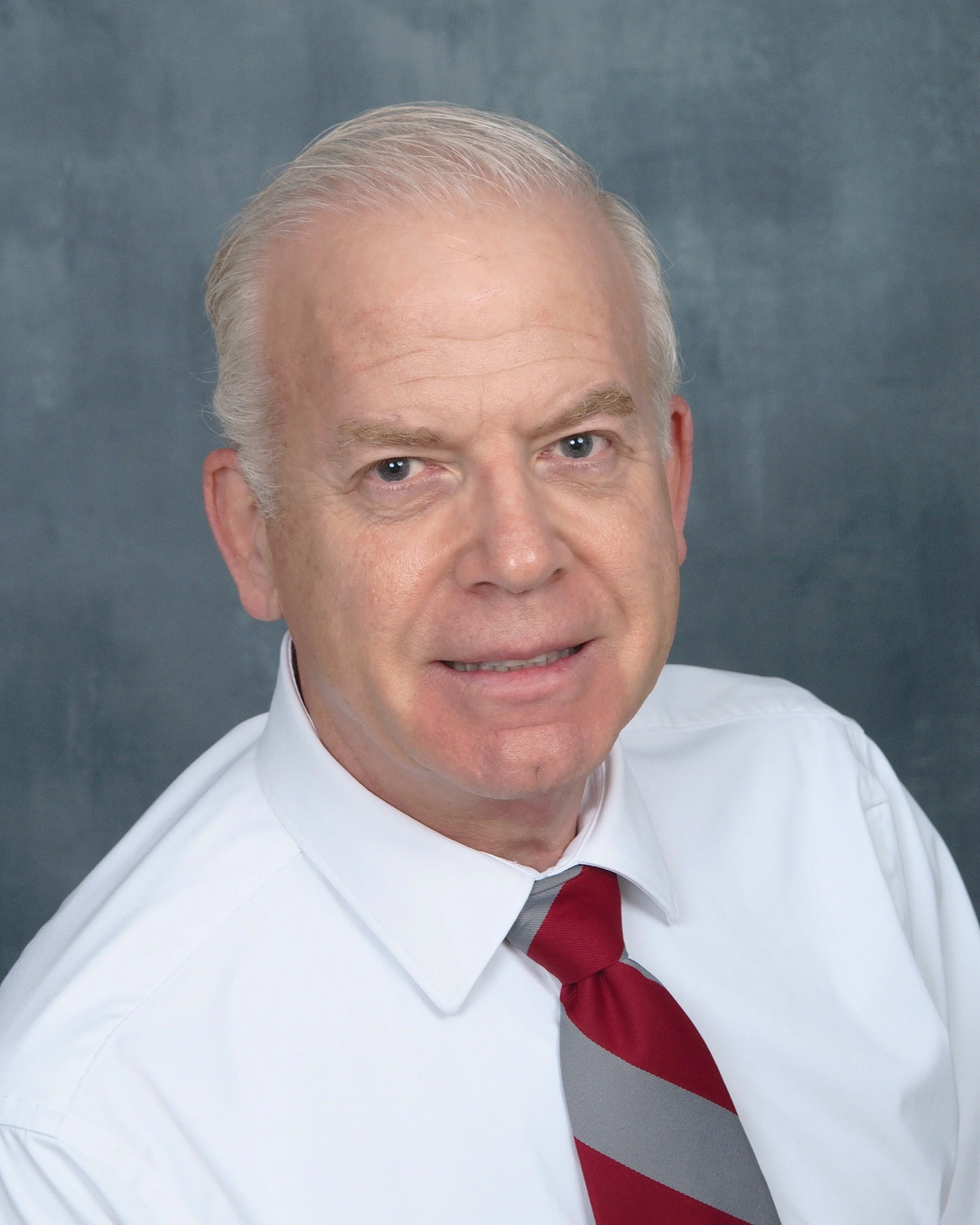
J. Robert “Bob” Brooks, CEPA, CBI
J. Robert “Bob” Brooks, CEPA, CBI, leads Practice Endeavors, an Ohio-based practice brokerage and dental realty company. His company provides practice owners with the tools they need to prepare well for life after practice ownership and to find the best price/best fit buyers for their seller clients. Bob was integral in starting the first of its kind dental practice broker credentialing for the International Business Brokers Association.